

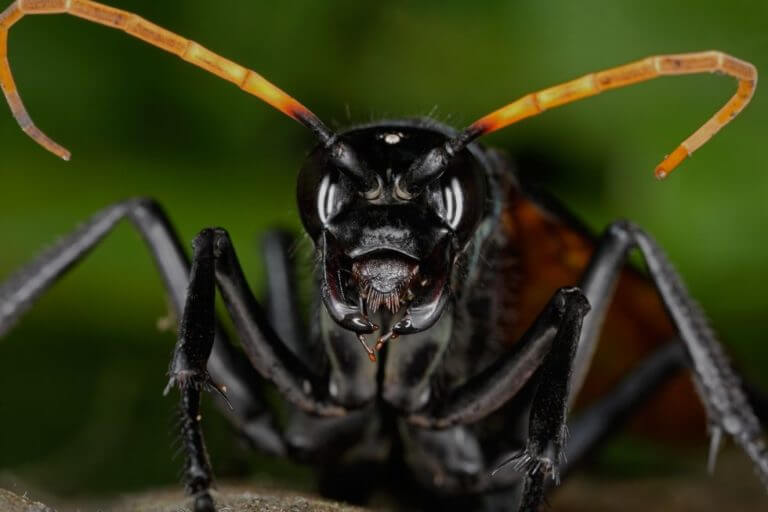
Insect bites can cause various health issues depending on the type of insect and the person’s sensitivity. Most commonly, bites result in minor skin irritation, but in some cases, they can be quite harmful. When an insect bites or stings, it may inject saliva or venom into the skin, which can lead to allergic reactions. These reactions may vary from mild to severe, and in rare cases, life-threatening anaphylaxis may occur.
Possible effects of insect bites include:
Redness, itching, and swelling at the bite site
Pain or burning sensation
Allergic reactions (mild to severe)
Anaphylaxis (difficulty breathing, swelling of the throat)
Another major concern is the transmission of diseases by certain insects. Mosquitoes are known vectors of serious illnesses like malaria, dengue fever, Zika virus, and West Nile virus. Ticks can transmit Lyme disease and other tick-borne illnesses, while fleas and tsetse flies are also capable of spreading infections. These diseases can cause long-term complications and require immediate medical treatment.
Insects that can transmit diseases:
Mosquitoes – malaria, dengue, Zika, West Nile virus
Ticks – Lyme disease, Rocky Mountain spotted fever
Fleas – plague, typhus
Tsetse flies – sleeping sickness
Lastly, some insects inject venom that causes more severe symptoms beyond skin irritation. Bees, wasps, and fire ants can cause sharp pain, swelling, and systemic symptoms like nausea or dizziness. In rare cases, bites from spiders like the brown recluse may lead to tissue damage or necrosis. Preventing bites by using insect repellent, wearing protective clothing, and staying alert in infested areas is key to avoiding these health risks.